Dreaming of Making Video Games? Here’s What Game Design Courses in Chennai Actually Cover
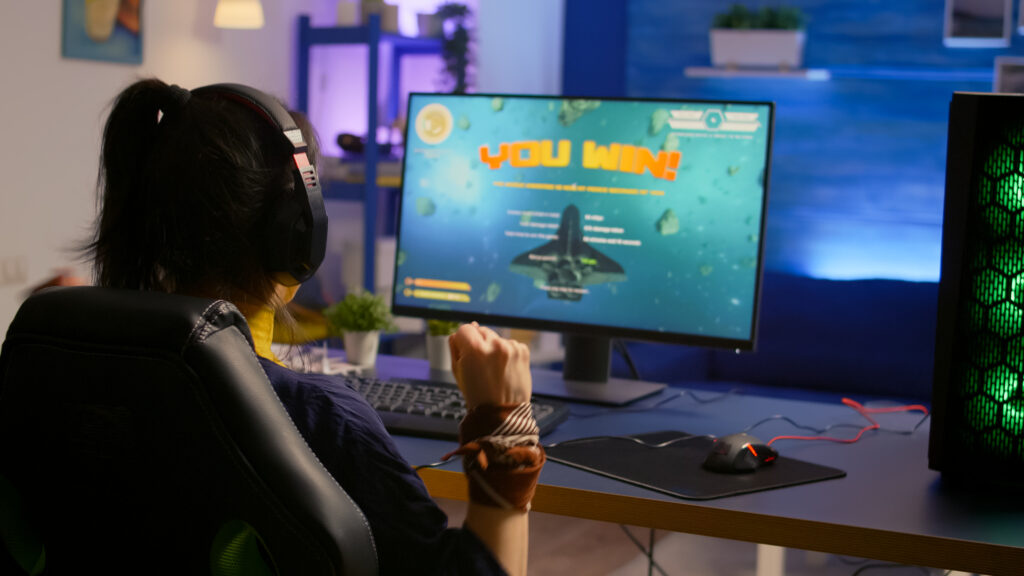
You’ve spent hours playing games and wondered about what happens behind the screen—how levels are built, characters come alive, and rules shape a digital world. If this sounds like you, you’re already thinking like a game designer.
Most 12th graders ask: “What do game design courses in Chennai actually teach? Is it just about playing games, or is there real learning?” The answer might surprise you.
Let’s break it all down: the curriculum, the skills, the tools, and the career paths waiting for you on the other side.
Game Design vs. Game Development — Do You Know the Difference?
Many students search for “game development courses in Chennai” and “game designing courses,” thinking they’re the same thing. They’re related, but distinct.
Game Design focuses on the creative side, crafting the story, rules, levels, characters, and user experience. Think of the game designer as the architect.
Game Development covers the technical side, programming the mechanics, building the engine, and optimising performance.
Professional courses in Chennai, like the ones offered at MAAC Tambaram, blend both — so you graduate as a well-rounded creative professional, not just a one-trick specialist.
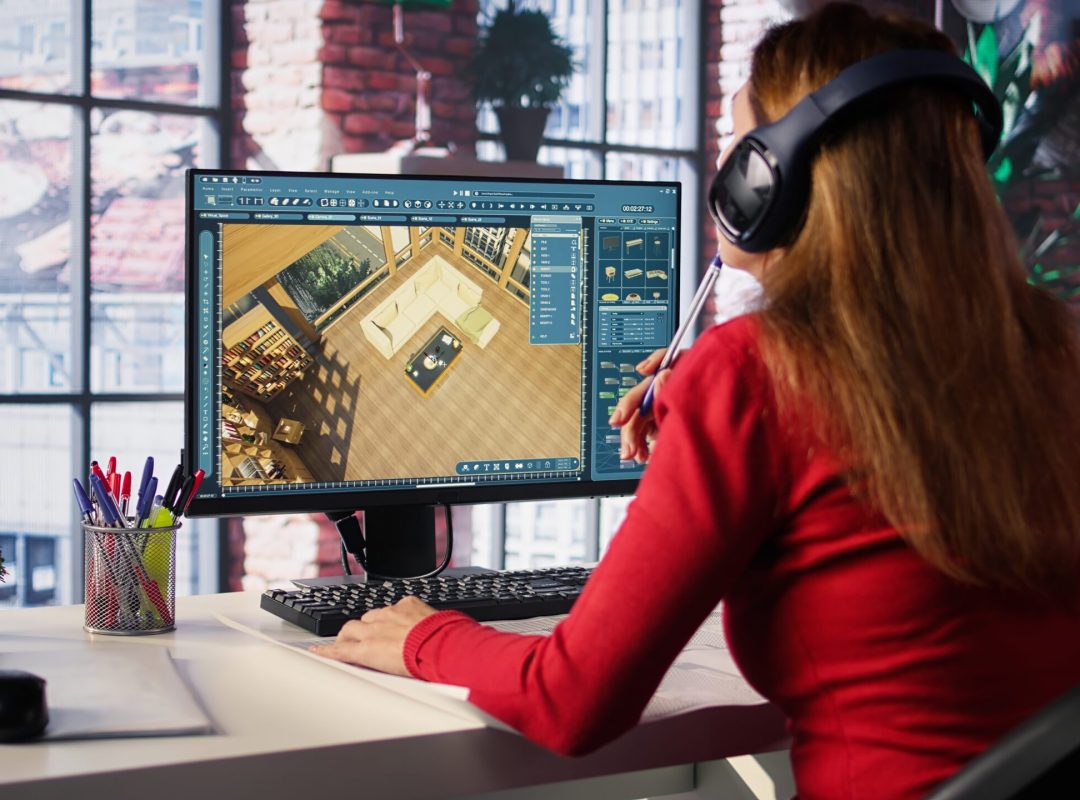
What Do Game Design Courses in Chennai Actually Cover?
When you enrol in a structured game design programme, here’s what a typical curriculum looks like:
1. Fundamentals of Game Design
You begin with the fundamentals: how to develop environments that people want to explore, design balanced challenges, and create captivating gameplay cycles. This covers:
• Game mechanics and dynamics
• Level design principles
• Player psychology and engagement
• Storytelling and narrative design
2. 3D Modelling and Animation for Games
The surroundings, items, and game characters must all be constructed in three dimensions. Courses teach you industry-standard software like Maya, 3ds Max, and Blender to create assets that can be dropped straight into a game engine.
3. Game Engine Training (Unity & Unreal Engine)
This is where your designs come to life. You’ll learn how to use Unity and Unreal Engine, the two most used engines in the global game industry, to assemble assets, program logic, add physics, and build playable prototypes.
4. UI/UX Design for Games
Online video game development courses seldom go into great detail about UI/UX design for games, a specialized skill that teaches you how to create interfaces that seem natural, immersive, and visually polished.
5. Concept Art and Visual Development
Before a single model is built, the look of a game is defined through concept art. You’ll learn digital illustration, character design, environment sketching, and colour theory skills that set professional game designers apart.
6. Portfolio and Project Work
The best game design programmes don’t just give you theory, they help you build a real portfolio. At MAAC Tambaram, students work on live projects and industry-standard assignments they can confidently show to studios and recruiters.
Online Game Development Courses vs. Classroom Training — Which is Right for You?
With so many online video game development courses available, it’s tempting to go the self-paced route. Additionally, even though online education has its uses, you lose out on the following:
• Real-time feedback from experienced industry mentors
• Collaborative team projects that mirror studio environments
• Hands-on access to professional software and hardware labs
• Placement support and industry connections
• Live assessments and structured progress tracking
Classroom-based game design courses provide a structure and guidance that self-paced video game creation courses just cannot match for 12th graders in Chennai who are just starting out in the field.
What Careers Can You Build After a Game Design Course?
India’s gaming industry crossed ₹3 billion in revenue and is growing at over 28% annually. The demand for trained professionals is real — and it’s only accelerating. Here are roles you can aim for:
• Game Designer — building gameplay systems, levels, and rules
• 3D Game Artist — creating characters, environments, and assets
• UI/UX Designer for Games — designing player interfaces
• Game Animator — bringing characters and cutscenes to life
• Technical Artist — bridging art and programming pipelines
• Indie Game Developer — building and launching your own titles
Studios like Ubisoft, Rockstar, and dozens of growing Indian game companies regularly hire from institutes with strong training programmes and industry networks.

Why MAAC Tambaram for Game Design Courses in Chennai?
If you’re searching for game development courses in Chennai with real career outcomes, MAAC Tambaram checks every box. Here’s why thousands of students choose MAAC for their creative career:
• Industry-designed curriculum updated with current tools and trends
• Courses like APGDI, PMGDI, and ADIDG Plus — structured for beginner to advanced learners
• Experienced faculty with live industry project exposure
• Dedicated placement assistance and recruitment support
• Access to MAAC’s national network of studios and alumni
• Gaming development courses taught using Unity, Unreal, Maya, and more
Whether you’re a complete beginner or someone who’s already dabbled in game engines, there’s a programme at MAAC Tambaram tailored for where you are today and where you want to be.
Ready to Turn Your Passion into a Profession?
12th grade is the ideal time to begin your game design career, since you have a lot of creative energy and potential, and a structured education can help you enter a field that rewards talent.
Stop searching for the right game designing courses in Chennai and visit MAAC Tambaram to explore your options. Meet the faculty, tour the labs, and see exactly what your future could look like.
MAAC Tambaram | 11, Ranga St, Kadaperi, Tambaram, Chennai — 600045
Phone: +91 82486 39844
Website: maactambaram.com